
No worries! You can still paint!!!! Have you ever painted with a sponge? Or a pallet knife? Or Q-tips? Or and business card or old credit card? Did you know Read More
Certified Ross Instructor
No worries! You can still paint!!!! Have you ever painted with a sponge? Or a pallet knife? Or Q-tips? Or and business card or old credit card? Did you know Read More

Art can help you express your feelings….. or art can help you make someone else feel something…. Art can convey happiness, joy, sadness and loss. Art can be a celebration. Read More

Hello Painters! I have great news! I think is it great, and I hope you will, too! I am now able to offer Saturday – DAY TIME – classes that Read More

Hello art friends! Sorry I have not blogged for a while…. I have been painting! And painting, and painting, and painting! Times 10! I have done 10 new Bob Ross Read More

Happy Sunday! Thank you for stopping by! I was recently asked, several times, “How do you choose paintings for class?” Well, with Bob I have 403 landscape paintings from which Read More
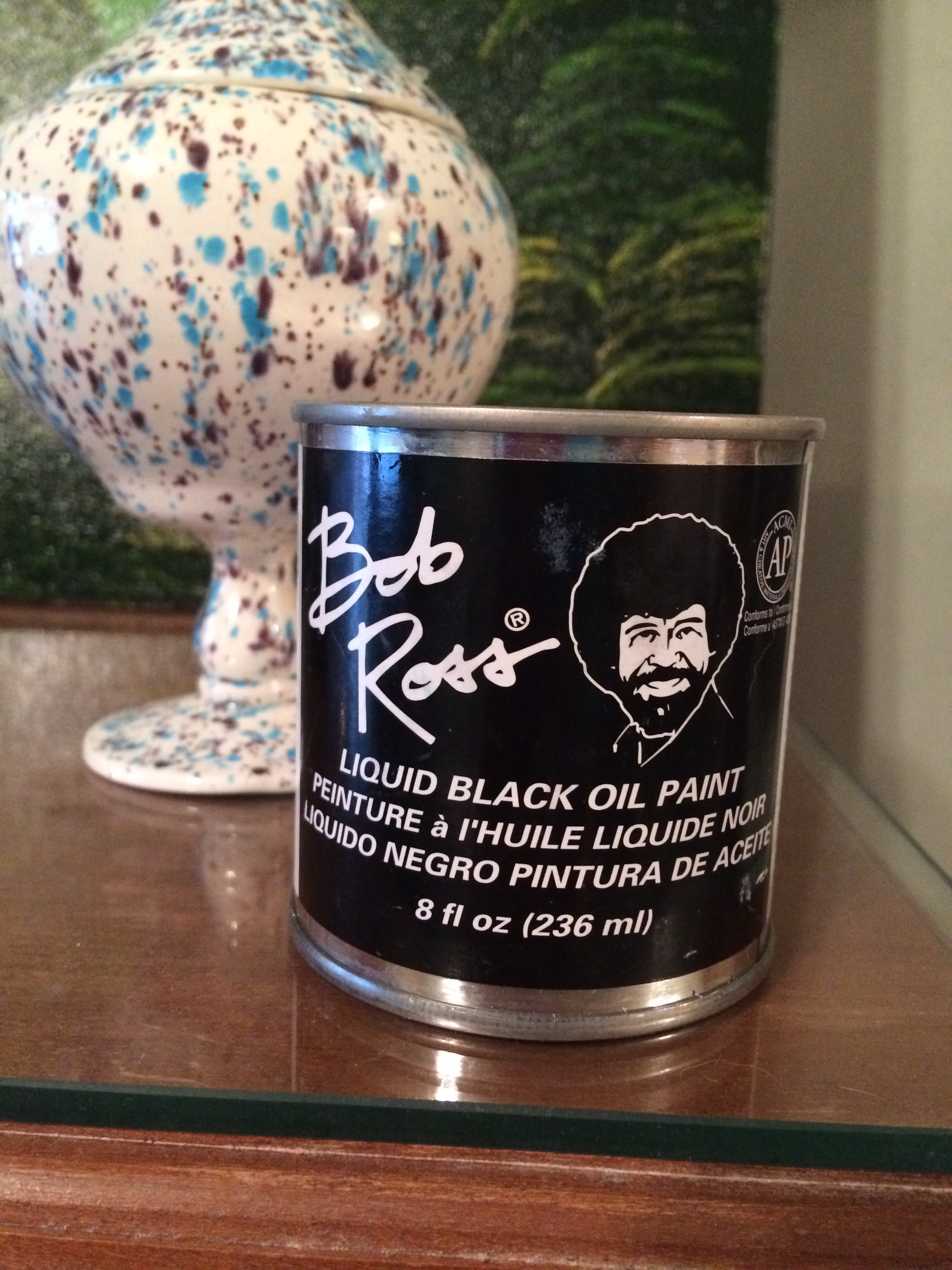
…The final installment! We did Liquid White! We did Liquid Clear! Last, but not least – Liquid Black. Liquid Black is equal to Liquid Clear – how to apply, how to test, how to thin….. Liquid Black is used mostly in seascapes. Helps keep the water darker in color, the sand richer, etc.

Liquid Clear is exciting to use – it will give the wet-on-wet base coat needed, but IT WILL NOT dilute the intensity of your colors – keeps the paint dark and bright. As I explained with Liquid White, it needs applied in a very thin coat. However, Liquid Clear will need to be applied even more sparingly. An extremely thin coat! Liquid Clear will not need stirred as you do with the Liquid White and Liquid Black. Liquid Clear has a sticky feel to it – it is like you are painting with honey…. at least to me, that is how I describe it. You must use it sparingly. Since it is clear, it is difficult to see. Standing off to the side and looking at your canvas will help you to see where it has been applied and where you may have missed. Pay close attention to the corners and edges. Where your canvas is shiny, then there is Liquid Clear on it. If it is dull and flat, it is dry, it did not receive any Liquid Clear.

Bob Ross Wet-on-Wet technique requires us to make our canvas “wet”. For this, we apply Liquid White, Liquid Clear or Liquid Black. Depending on what you are painting will determine if you use Liquid White, Liquid Clear or Liquid Black. Today, I will discuss Liquid White – which is the most commonly used base paint.

Good Afternoon Art Friends! I wanted to share more about what I offer! Bob Ross Classes Regular Classes See my Art Lessons page for all upcoming classes! Register on line Read More